How it works
How does Potenza RF microneedling work?
Potenza pushes an array of fine needles into the skin and releases radiofrequency current at a depth the doctor sets, from 0.5 to 4.0 mm. The current heats a tiny column of tissue around each needle, and the skin replaces that heated tissue with new collagen and elastin over the following weeks.[1] Mode, frequency, tip and depth decide where the heat lands, so they are chosen for each concern rather than fixed.
Written by the Potenza Seoul editorial team and medically reviewed by a Korean Board-Certified Dermatologist (AAD International Fellow · ASLMS member). Last reviewed: .
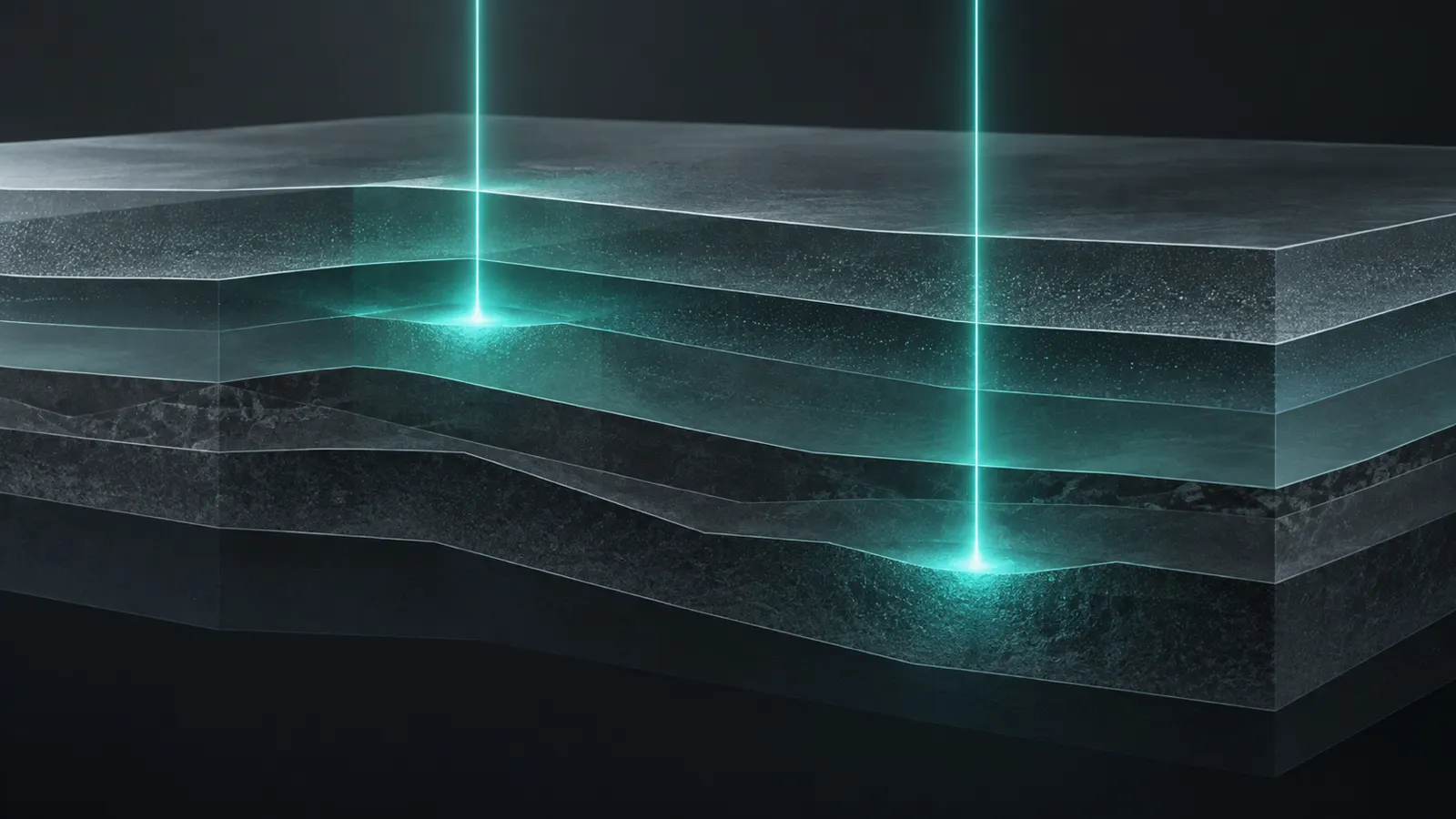
What happens inside the skin during a Potenza pass?
Each pulse has two steps. First the needles enter the skin. Then RF current flows for a fraction of a second, and the tissue around each needle heats up enough to coagulate. Because the heating happens below the surface, most of the outer skin is spared. That fits the faster recovery seen against fractional CO2 laser, which removes columns of surface skin, in a head-to-head trial.[2]
A study of fractional bipolar RF in human skin showed what happens next. The heated zones in the deep dermis were still visible at day 28, but by 10 weeks they had been replaced by new tissue, with more collagen, elastin and hyaluronic acid than before.[1] Scar trials likewise judge results months, not days, after the last session.
Monopolar or bipolar: what is the difference?
Potenza can deliver RF in two ways. The manufacturer’s FDA 510(k) summary describes them like this (510(k) summary K192545, checked 18 October 2026):
| Mode | How the current flows | Where the heat forms |
|---|---|---|
| Bipolar | Between neighbouring needles in the same tip; no pad is needed | In and around the needle array |
| Monopolar | From the needle tips through the body to a grounding pad on the skin | At the needle tips, where resistance is highest; the large pad stays cool |
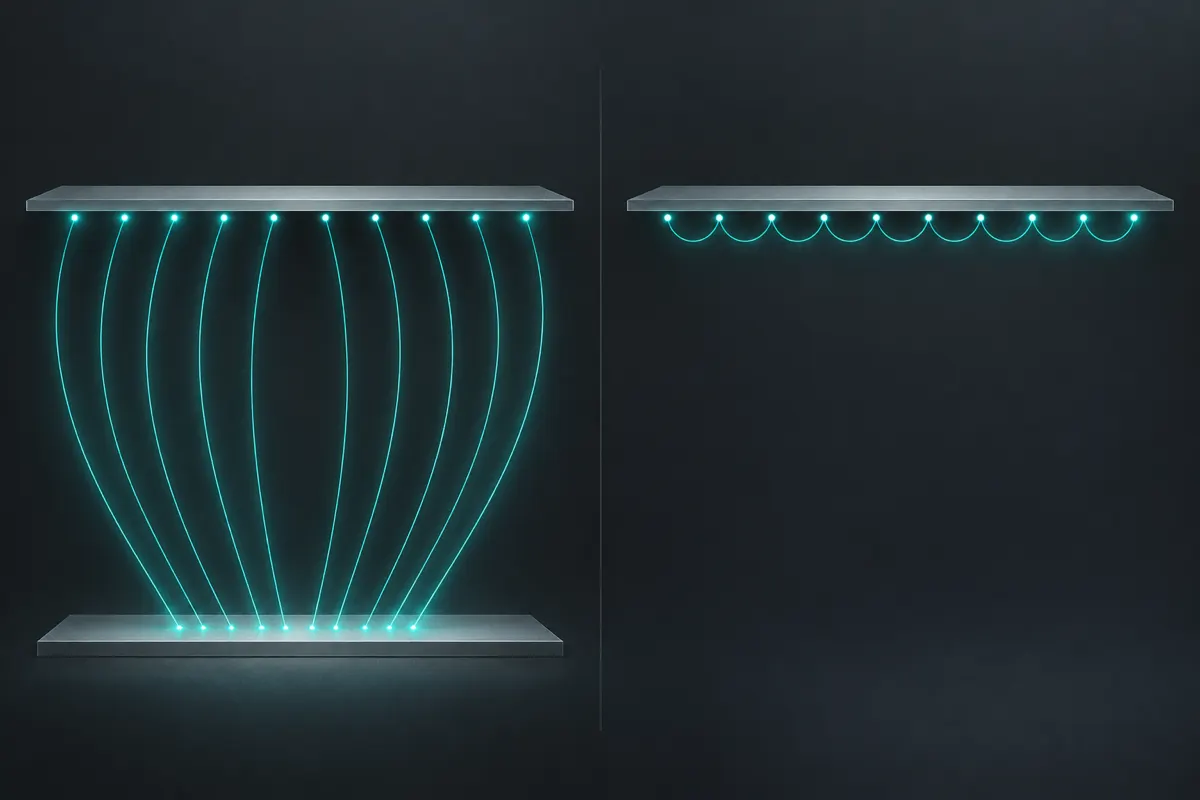
The device also runs at 1 MHz or 2 MHz. Its US distributor presents the four mode-and-frequency combinations as a way to provide “shallow and deep treatments in one system” (Cynosure Potenza brochure, checked 18 October 2026). A PubMed search for this guide found no trial comparing the four combinations directly, so the choice rests on the doctor’s experience with your skin type and concern.
Which Potenza tips exist, and what are they for?
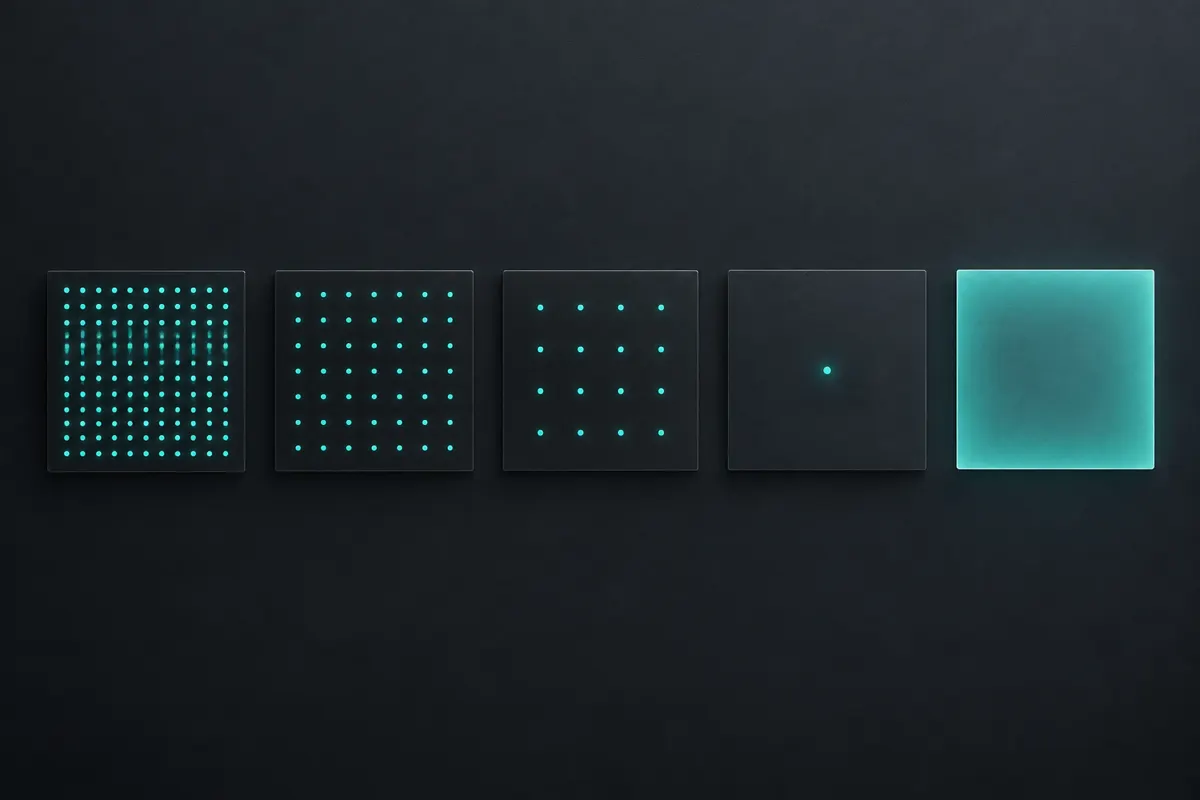
Tips are single-use, sterile cartridges that attach to the handpiece, according to the 510(k) summary. The maker lists 18 tip types. These are the main families, with the names used in manufacturer and distributor documents:
| Tip family | Needles and depth | Described purpose |
|---|---|---|
| Insulated: I-16, I-25, I-49 | 16, 25 or 49 needles; 0.5–4.0 mm | Coated shafts concentrate heat at the tip; used for targeted and deep work |
| Semi-insulated: S-16, S-25, S-49 (sold as Tiger Tip in some markets) | 16, 25 or 49 needles; 0.5–4.0 mm | Treats more tissue per insertion while sparing the surface |
| Pumping: CP-16, CP-21, CP-25 (CP-21 sold as Fusion Tip) | 16 to 25 needles; 0.5–2.5 mm | Built to push topical products into the channels; listed for drug delivery and scars |
| Single needle: P1-08, A1-12, A1-15 | One needle; 0.8–1.5 mm | Listed for active acne and syringoma |
| Non-invasive: DIAMOND, DDR, SFA | No needles; surface electrodes | Surface RF; each tip reaches a different depth |
A full-face plan can use more than one tip, for example a dense 49-needle tip for broad texture and a deeper setting over scarred cheeks. Published series are specific about this: a Potenza study on melasma used bipolar mode at 1 MHz with insulated I-25 or I-49 tips for every treatment.[3]
How deep do the needles go, and how much energy is used?
Needle depth is set from 0.5 to 4.0 mm in 0.25 mm steps (0.5 to 2.5 mm for pumping tips). Power goes up to 50 W, and each insertion can fire one to five pulses, according to the maker’s published specifications (Jeisys, checked 18 October 2026).
Depth follows the target and the area: a deep rolling scar on the cheek calls for a different setting from fine texture on the forehead. Higher energy is not automatically better. FDA records for some RF microneedling systems limit the highest energy settings to lighter skin. The 2026 summary for Potenza Prime, for example, restricts its DDR tips above 62 mJ per pin to Fitzpatrick skin types I to IV (510(k) summary K254185, checked 18 October 2026).
Burns and fat loss are among the complications reported to the FDA for RF microneedling, which is one reason the person choosing the settings matters as much as the device.[4] Our article on the FDA safety communication covers this in detail.
Does the pumping tip really deliver products deeper?
The distributor describes the Fusion Tip as using a “dual-air chamber design to capture and release air towards the skin” to help topical products enter the needle channels. That is a design claim. Potenza’s FDA clearance does not include drug delivery, and the FDA states that microneedling devices are not approved to deliver cosmetics, topical medicines, vitamin solutions, drugs or blood products such as PRP into the skin (FDA microneedling devices page, checked 18 October 2026).
Clinical evidence for products applied after RF microneedling is small but real. In a randomised split-face study of 24 people, poly-L-lactic acid applied after RF microneedling improved skin texture and scar volume at six months more than sterile water did.[5] In another split-face trial, topical exosomes and PRP applied after RF microneedling gave similar improvements, but there was no RF-only side for comparison.[6] Neither study tested the pumping tip itself.
Does Potenza hurt?
Treatment causes heat, pressure and some pain, even with numbing cream applied first. In a study of RF microneedling for pores, the average pain score was 6.4 out of 10.[7]
Is Potenza the same as Morpheus8?
Both are RF microneedling systems, but they come from different makers with different tips, frequencies and settings. See Potenza compared with other devices.
Can Potenza be used on the body?
Yes. The US distributor markets Potenza for use “anywhere on the body”, and FDA complaint reports on RF microneedling include treatments of the face, neck and abdomen.[4] The Potenza studies cited on this site all treated the face.
Is Potenza a laser?
No. Potenza uses radiofrequency current delivered through needles, not laser light. Both are energy-based skin treatments, so the two are easy to confuse.
Why are there so many tips?
Each tip changes the number of needles, how insulated they are, and how deep they go. That lets one device treat scars, pores, texture and small spots with different settings.
References
Bibliographic records retrieved from PubMed (U.S. National Library of Medicine).
Hantash BM, Ubeid AA, Chang H, et al. Bipolar fractional radiofrequency treatment induces neoelastogenesis and neocollagenesis. Lasers Surg Med. 2009;41(1):1-9.
Li W, Zheng C, Yuan X, et al. Comparative efficacy, recovery, and pigmentary safety of radiofrequency microneedling and fractional carbon dioxide laser for facial atrophic acne scars: a prospective randomized split-face trial. J Dermatolog Treat. 2026;37(1):2687842.
Kim HB, Lee SY, Um JY, et al. Clinical Effects and Safety of Radiofrequency Microneedling for the Management of Melasma: A Retrospective Study. Aesthet Surg J Open Forum. 2026;8:ojag143.
Chou M, Myers B, Avram M. Analysis of US Food and Drug Administration Data on Radiofrequency Microneedling Device Complications. Dermatol Surg. 2026;52(9):873-876.
Kupwiwat R, Techapichetvanich T, Bhorntarakcharoen W, et al. Transdermal Delivery of Poly-L-Lactic Acid via Fractional Microneedle Radiofrequency for Atrophic Acne Scars: A Split-Face Randomized Study in Fitzpatrick Skin Types III to V. Dermatol Ther (Heidelb). 2025;16(2):1089-1097.
Estupiñan B, Ly K, Goldberg DJ. Adipose Mesenchymal Stem Cell-Derived Exosomes Versus Platelet-Rich Plasma Treatment for Photoaged Facial Skin: An Investigator-Blinded, Split-Face, Non-Inferiority Trial. J Cosmet Dermatol. 2025;24(5):e70208.
Huang Y, Zheng H, Wu Q, et al. Efficacy and safety of fractional micro-needling radiofrequency for the treatment of enlarged pores on the cheeks of a chinese cohort: a retrospective study. Lasers Med Sci. 2024;39(1):100.